Kyoto vs Osaka: where to stay and how to split your days
Updated
Kyoto vs Osaka comes down to what you want from the evenings and the early mornings. Stay in Kyoto for temples, gardens and quiet starts before the crowds, or stay in Osaka for food, nightlife, shopping and the airport. They are about 30 minutes apart by train, so either city works as a base for the other.
This guide sets out what each city does best, how the trains connect them, and three ways to plan the trip: a Kyoto base, an Osaka base, or a split stay. Each comes with a short day-by-day plan you can lift straight into your own trip.
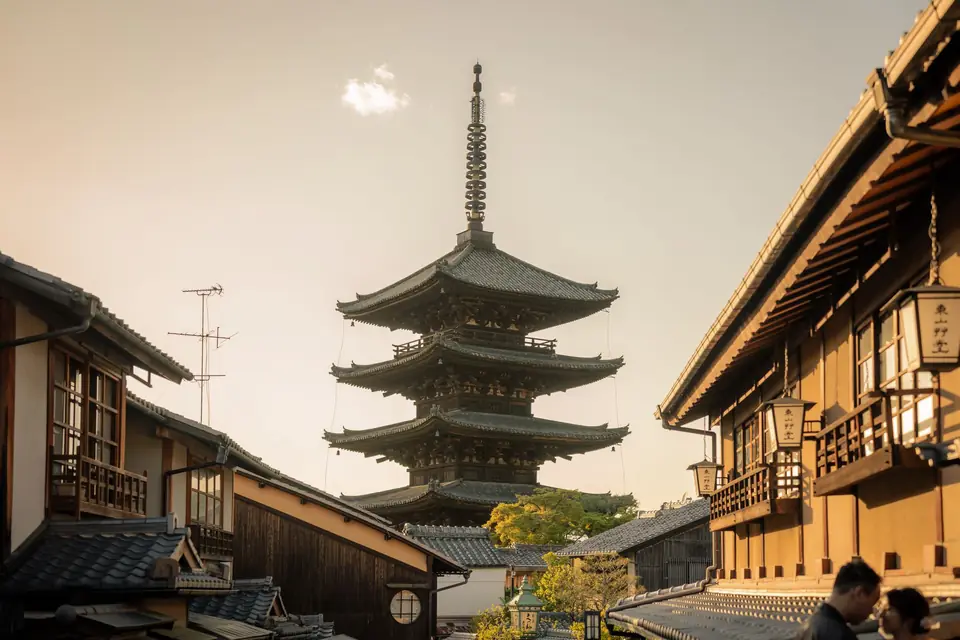
Kyoto vs Osaka at a glance
Kyoto is the old capital, quieter after dark, with more than a thousand years of temples, shrines and gardens. Its famous sights fill up by mid-morning, so the people who see them at their best are the ones sleeping nearby.
Osaka is a big, easygoing commercial city built around eating out. It has more hotels, longer evenings, Universal Studios Japan, and the quickest airport trains. It is the easier base for a group with mixed interests, and the better one for a late night.
The short answer: for a first trip of three nights or fewer, pick the city that matches your main interest and day-trip to the other. With four nights or more, split your stay, and put Kyoto first.
What Kyoto does best
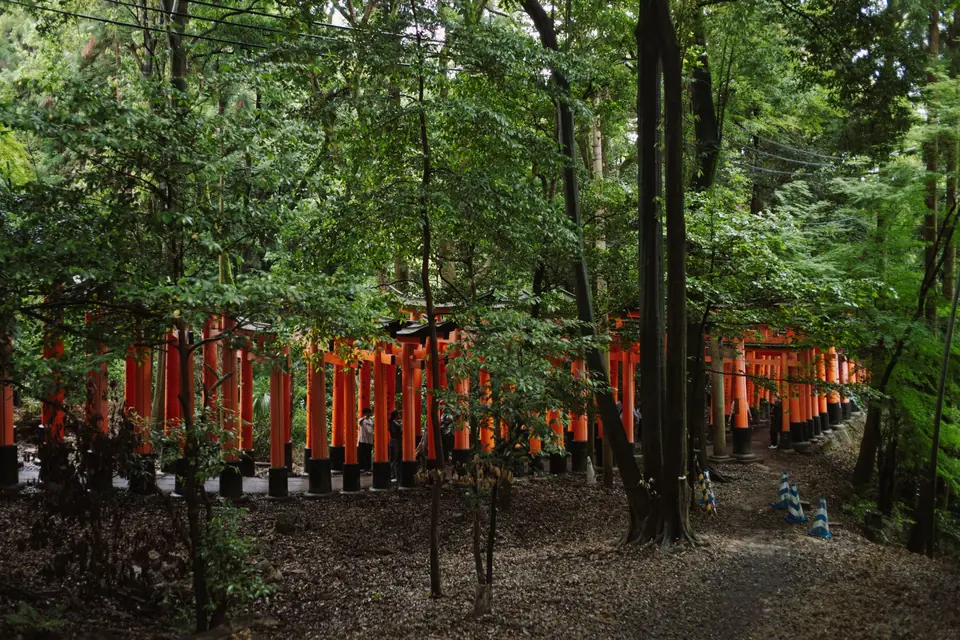
Kyoto is about atmosphere at quiet hours. Fushimi Inari's tunnels of torii gates are a different place at 7:30 than at 11:00, and the lanes of Higashiyama below Kiyomizu-dera feel like a village before the shops open. Evenings are calm: a dinner in Pontocho or Gion, a walk along the Kamo River, and bed.
The city also rewards slow days. Arashiyama's bamboo grove, the moss and rock gardens, tea houses and small museums suit travellers who like to linger. The trade-off is that sights are spread out and the city buses are crowded in peak seasons, so days take more planning.
Kyoto is the right base if most of your list is temples, gardens and traditional streets, if you want the early hours, or if you are staying in a ryokan or a machiya townhouse.
What Osaka does best
Osaka is the place to eat. Dotonbori and Shinsekai at night, Kuromon Market in the morning, okonomiyaki, takoyaki and kushikatsu in between. Restaurants and bars stay open late, and the city is used to visitors who simply want to wander and graze.
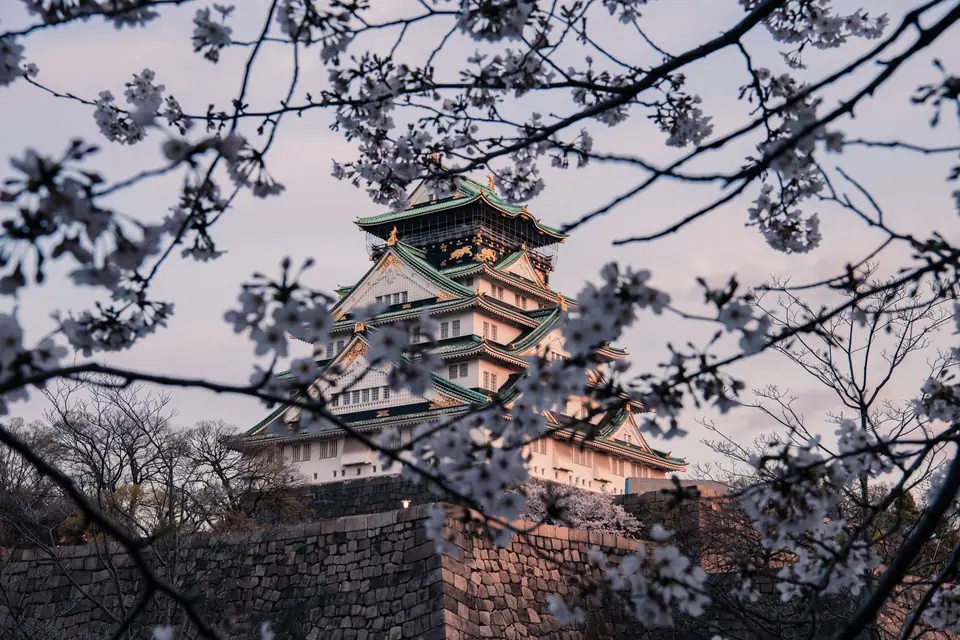
It also wins on logistics. The Nankai line runs from Kansai International Airport to Namba, and Universal Studios Japan, Nara and Kobe are all simple day trips. Osaka has far more hotel rooms than Kyoto, which makes it easier to book in cherry blossom and autumn leaf seasons, especially for a group needing several rooms.
Osaka is the right base if food and nightlife come first, if Universal Studios Japan is on the list, if you have an early or late flight, or if you want one hotel for a week of day trips.
How far apart are Kyoto and Osaka?
Close enough that the base matters less than people expect. The main trains, all approximate:
- JR Special Rapid: Osaka Station to Kyoto Station in about 30 minutes. Best for Kyoto Station, Fushimi Inari and onward trains.
- Hankyu Kyoto Line: Osaka-umeda to Kyoto-kawaramachi in about 45 minutes on a limited express. Best for central Kyoto, Gion and Nishiki Market.
- Keihan Line: Yodoyabashi or Kitahama to Gion-shijo in about 50 minutes on a limited express. Best for Gion and the east side of Kyoto.
- Tokaido Shinkansen: Shin-Osaka to Kyoto in about 15 minutes, useful if you are already at Shin-Osaka or have a JR Pass.
The JR, Hankyu and Keihan trains cost a few hundred yen each way and take any IC card, such as ICOCA or Suica. The real time cost is getting to and from the stations at each end, so allow about an hour door to door.
Choice 1: Stay in Kyoto, day trip to Osaka
Choose this when Kyoto is the heart of the trip and Osaka is an evening or a day of food. A short plan for three days:
- Day 1: Higashiyama, from Kiyomizu-dera down through the old lanes to Gion, with dinner in Pontocho.
- Day 2: Fushimi Inari early in the morning, then Arashiyama in the afternoon.
- Day 3: Osaka for the day. Osaka Castle in the morning, Kuromon Market for lunch, and Dotonbori after dark, back to Kyoto on a late train.
Stay near Kyoto Station for the easiest trains, or near Shijo and Kawaramachi for walking evenings. The 3 days in Kyoto itinerary has the full Kyoto days, and Nishiki Market is a good lunch on Day 1.
Choice 2: Stay in Osaka, day trip to Kyoto
Choose this when food, nightlife or Universal Studios Japan lead, or when your group would rather unpack once. A short plan for three days:
- Day 1: Namba, Shinsekai and Dotonbori, with Kuromon Market for breakfast.
- Day 2: Kyoto for the day. Take an early train to Fushimi Inari, then Higashiyama and Gion, and return to Osaka for dinner.
- Day 3: Osaka Castle and Umeda, or a day trip to Nara, or a day at Universal Studios Japan.
Stay in Namba for the airport train and Dotonbori, or in Umeda, around Osaka Station, for the fastest trains to Kyoto. The 3 days in Osaka itinerary has the full Osaka days, including Nara.
Choice 3: Split your nights between Kyoto and Osaka
With four nights or more, a split stay gives you Kyoto's quiet mornings and Osaka's evenings without long daily commutes. A short plan for five days:
- Days 1 to 3 in Kyoto: Higashiyama and Gion, Fushimi Inari and Arashiyama, then Nara as a half-day trip from Kyoto.
- Day 4: move to Osaka in the morning, leave your bags, and spend the afternoon at Osaka Castle and the evening in Dotonbori.
- Day 5: Kuromon Market and Shinsekai, or Universal Studios Japan, before the airport.
Kyoto goes first because its sights are best when you are fresh, and Osaka goes last because Namba is from 34 minutes to Kansai International Airport on the Nankai Rapi:t, against about 75 minutes from Kyoto on the JR Haruka. If you fly home from Tokyo, swap the order and finish in Kyoto, which is on the Shinkansen line to Tokyo.
Tip: moving hotels takes half a day. A luggage delivery service between hotels, offered at many front desks, lets you take the train with a day bag.
Where Nara fits
Nara works from either base. From Osaka-Namba, a Kintetsu Rapid Express takes about 40 minutes to Kintetsu-Nara. From Kyoto, the Kintetsu and JR lines take about 35 to 45 minutes. Nara Park, its deer and the Great Buddha at Todai-ji fill a relaxed half day or an easy full one.
Which is better for families, groups and food lovers?
First trip to Japan: Kyoto, if temples and old streets are what drew you to Japan; otherwise Osaka with a long day in Kyoto. Many first trips also include Tokyo, and 7 days in Japan shows how both cities fit into one week.
Families: Osaka is usually easier, with more family rooms, Universal Studios Japan and shorter transfers. Kyoto's hilly temple lanes and crowded buses are more tiring with young children.
Groups: Osaka has more hotels with several rooms free on the same dates, and its food streets suit a group that wants to graze. Kyoto suits a group renting a machiya townhouse together.
Food lovers: Osaka for street food and late dinners; Kyoto for kaiseki, tofu and tea, with more in the Kyoto food guide. A day trip covers either well.
Rainy days: Osaka has more covered shopping streets and indoor sights. Kyoto in the rain is beautiful but slower.
What to book early
- Kyoto hotels: 3 to 6 months ahead for cherry blossom season in late March and early April, and for autumn leaves from mid-November to early December. Kyoto fills before Osaka.
- Universal Studios Japan: tickets and Express Passes sell out on busy dates. The Universal Studios Japan tickets guide explains when each goes on sale.
- The Grand Sumo tournament in Osaka: if your trip falls in March, the spring tournament is held in Osaka, and tickets sell out weeks ahead. The sumo tickets guide explains when sales open.
- Kyoto's booked-only sights: the Moss Temple and Katsura Imperial Villa need advance reservations. The Japan booking guide has every date.
From Singapore
Singapore Airlines, Scoot and Peach fly non-stop between Singapore and Osaka Kansai, a flight of about 6 hours. Kansai International Airport serves both cities, so there is no need to fly into Kyoto. Many flights leave Changi overnight and land early in the morning, which suits an Osaka first night or the Haruka straight to Kyoto.
Japan (JST, UTC+9) is 1 hour ahead of Singapore (UTC+8) all year. Neither uses daylight saving.
A Singapore passport does not need a visa for a short-term stay of up to 90 days, for sightseeing, visiting friends or business meetings, and not for paid work. Japan enacted a law on 29 May 2026 (promulgated 5 June 2026, Act No. 32 of 2026) creating JESTA, an online travel authorisation for visa-exempt visitors. It starts on a date set by Cabinet Order, no later than 31 March 2029. Nothing new is needed yet.
For 2027, these windows on the Singapore public holidays 2027 page suit a Kyoto and Osaka trip:
- Hari Raya Puasa: 2 days of leave, Thursday 11 and Friday 12 March, gives Wednesday 10 to Sunday 14 March, 5 days. That fits the split stay, with the last of the plum blossom and the first cherry blossom forecasts.
- Deepavali: 1 day of leave, Friday 29 October, gives Thursday 28 to Sunday 31 October, 4 days. Pick one base and day-trip to the other.
Planning this trip as a group
- Agree the base first. Most debates about Kyoto vs Osaka are really about evenings. Decide whether the group wants quiet nights or late ones, and the base follows.
- Split the day trips. From an Osaka base, some of you can spend a day at Universal Studios Japan while others go to Kyoto, and you meet for dinner in Namba.
- Book rooms together. In peak seasons, one person booking every room on the same dates keeps the group in one hotel.
- Keep the plan in one place. With Tripmo's group trip planner, each person's ChatGPT, Claude or Grok adds to one shared plan on a map, so bookings and ideas don't get lost in the group chat.
More Japan itineraries
- 3 days in Kyoto: temples, gardens and Fushimi Inari, with a Nara option
- 3 days in Osaka: Osaka Castle, Dotonbori and a day trip to Nara
- 7 days in Japan: Tokyo, Kyoto and Osaka in one week
- 10 days in Japan: a slower first trip with more time in each city
- All Japan itineraries
Sources
- JR West, Kyoto Line and Special Rapid services: Osaka to Kyoto in about 30 minutes; JR Haruka from Kansai Airport to Kyoto in about 75 minutes, approximate.
- Hankyu Railway, Osaka-umeda station timetable: limited expresses on the Kyoto Line to Kyoto-kawaramachi, about 45 minutes, approximate.
- Keihan Railway: limited expresses from Yodoyabashi to Gion-shijo, about 50 minutes, approximate.
- Nankai Electric Railway, access from Kansai Airport: Rapi:t from 34 minutes to Namba.
- Kintetsu Railway, timetable and fares: Rapid Express between Osaka-Namba and Kintetsu-Nara in about 38 minutes.
- Ministry of Foreign Affairs of Japan, Exemption of Visa (Short-Term Stay): Singapore is listed, for 90 days.
- Immigration Services Agency of Japan: the law enacted on 29 May 2026 and promulgated on 5 June 2026 as Act No. 32 of 2026, creating JESTA, starting no later than 31 March 2029.
- Ministry of Foreign Affairs, Singapore, Japan: the official travel page for Japan.
- Nihon Sumo Kyokai, tournament schedule: the March tournament is held in Osaka.
- Flights: published Singapore Airlines, Scoot and Peach schedules, approximate and subject to change. No fares.
- Door-to-door and Kyoto to Nara times: map and timetable estimates, approximate.
Questions
Is it better to stay in Kyoto or Osaka?
Stay in Kyoto if temples, gardens and early mornings are the point of the trip. Stay in Osaka if food, nightlife, shopping or Universal Studios Japan matter more, or if you want an easy airport run. With four nights or more, splitting between the two works well.
Can you visit Kyoto as a day trip from Osaka?
Yes. The JR Special Rapid from Osaka Station reaches Kyoto Station in about 30 minutes. A day trip covers one area well, such as Fushimi Inari and Higashiyama, but Kyoto's best sights are busiest by late morning, so staying there gives you the quiet early hours.
How long is the train from Osaka to Kyoto?
About 30 minutes from Osaka Station to Kyoto Station on the JR Special Rapid, about 45 minutes from Osaka-umeda to Kyoto-kawaramachi on a Hankyu limited express, and about 15 minutes from Shin-Osaka on the Shinkansen.
Do Singaporeans need a visa for Kyoto and Osaka?
No. A Singapore passport does not need a visa for a short-term stay in Japan of up to 90 days for sightseeing. Japan has passed a law for JESTA, an online travel authorisation, but it has not started yet.
How long is the flight from Singapore to Osaka for Kyoto?
About 6 hours non-stop to Kansai International Airport, which serves both cities. From the airport, Namba in Osaka is from 34 minutes by the Nankai Rapi:t, and Kyoto is about 75 minutes by the JR Haruka limited express.
Plan this trip together.
Start a trip in Tripmo, send your friends its link, and everyone adds to the plan with their own AI.
Start planning