7 days in Italy: an unhurried Rome and Florence itinerary, with a day in Bologna
Seven days in Italy is a short trip, so this Italy itinerary for 7 days asks one question first: how few hotel changes can we get away with? Our answer is two. You stay three nights in Rome and three in Florence, and the extra variety comes from a day trip to Bologna, a 35-minute train ride away, instead of a third base.
It suits first-timers who would rather see two cities properly than four in a blur, and anyone who plans a trip around lunch. Below you'll find each day, why it sits where it does, and the practical details (train times, timed tickets, what to book first). If you'd like Venice too, our 10-day Italy itinerary adds it at a gentler pace.
The route at a glance
- Route: Rome (3 nights) → Florence (3 nights, with a day trip to Bologna)
- Flights: into Rome Fiumicino (FCO), home from Florence (FLR) if your connections allow, or back via Rome by train
- Pace: one booked sight each morning, an unplanned afternoon, and an evening walk
- Good for: first-timers, couples, food-focused friends, solo travellers and families with older children
Why this order? Rome is the bigger, louder city with the most timed tickets, so it goes first while you're fresh and jet lag makes early starts easier. Florence is calmer and more compact, which makes it the nicer place to slow down at the end. Bologna sits on the fast line just north of Florence, so it fits as a day trip without anyone checking out of a hotel.
Day 1: Arrive in Rome and ease in
The Leonardo Express runs non-stop from Fiumicino to Roma Termini in about 32 minutes (about €14), usually every 15 minutes. From Termini, a short taxi or metro ride takes you to most central hotels.
We'd stay somewhere between the Pantheon and Campo de' Fiori, or in Monti, so every evening this week starts on foot. Tonight, keep it short: a walk through Piazza Navona and an early dinner. If you pass the Trevi Fountain, the area right beside the basin costs €2 between 9am and 10pm, while the view from the square above is free. After 10pm it's free and much quieter.
Day 2: Ancient Rome, then the old centre after dark
We give ancient Rome the first full day because it's the part most people picture, and it's a lot of walking on uneven ground. One ticket covers the Colosseum, the Roman Forum and the Palatine Hill. Tickets are timed and named, so bring ID that matches, and book on the official Colosseum site as soon as sales open, about 30 days before your date.
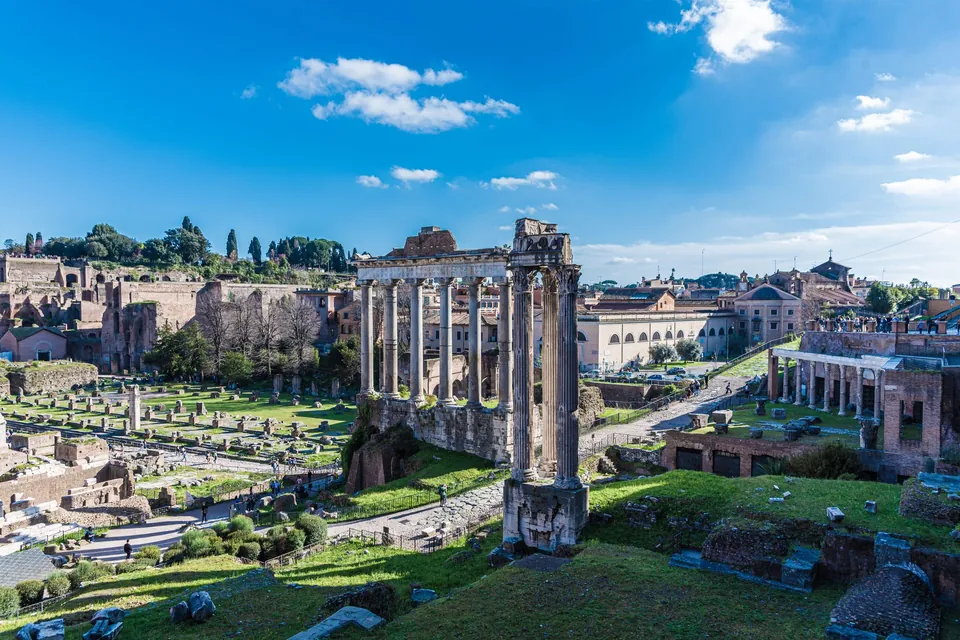
After lunch, climb the Capitoline Hill to Michelangelo's square, then walk round behind it for the view straight down over the Forum you walked through that morning. In the evening, head to the old Jewish quarter near the river for dinner, where fried artichokes are the local speciality in season.
Day 3: The Vatican in the morning, Trastevere by evening
The Vatican Museums are busiest from late morning, so we book the earliest timed entry on the official site. They open Monday to Saturday and close on Sundays, except the last Sunday of the month, when entry is free and queues are very long. If your Day 3 falls on a Sunday, swap it with Day 2.
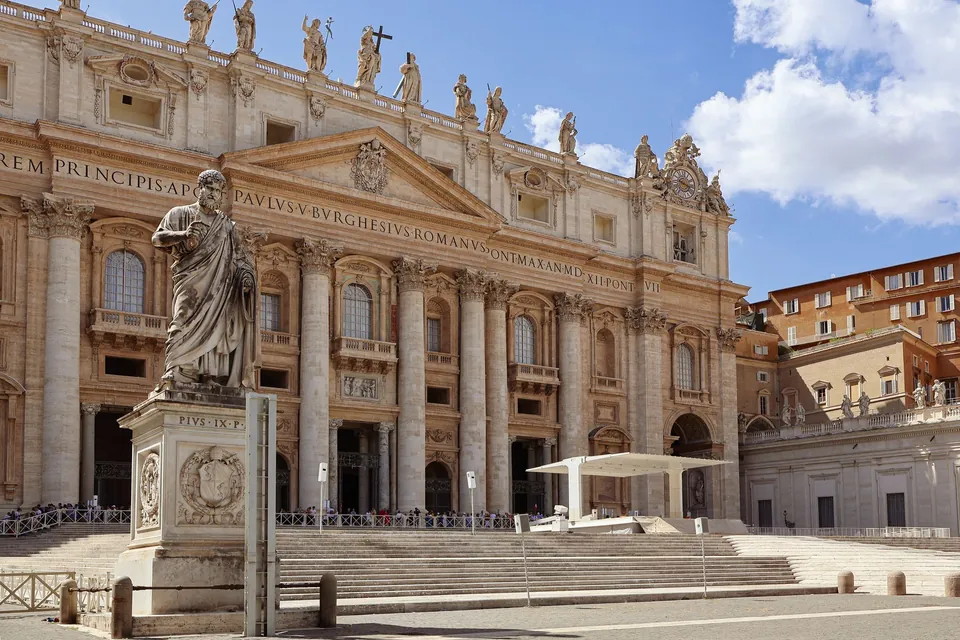
Allow about three hours for the walk through to the Sistine Chapel, then visit St Peter's Basilica, which is free to enter after a security check. Cover your shoulders and knees for both. Afterwards, follow the river past Castel Sant'Angelo and cross into Trastevere for an unhurried evening in its narrow streets.
Day 4: The Pantheon early, then the train to Florence
Start with the Pantheon at its 9am opening, before the square fills. Entry now needs a timed, named ticket, which you can book online for the slot you want. It takes about 30 minutes, which leaves an easy morning to collect your bags.
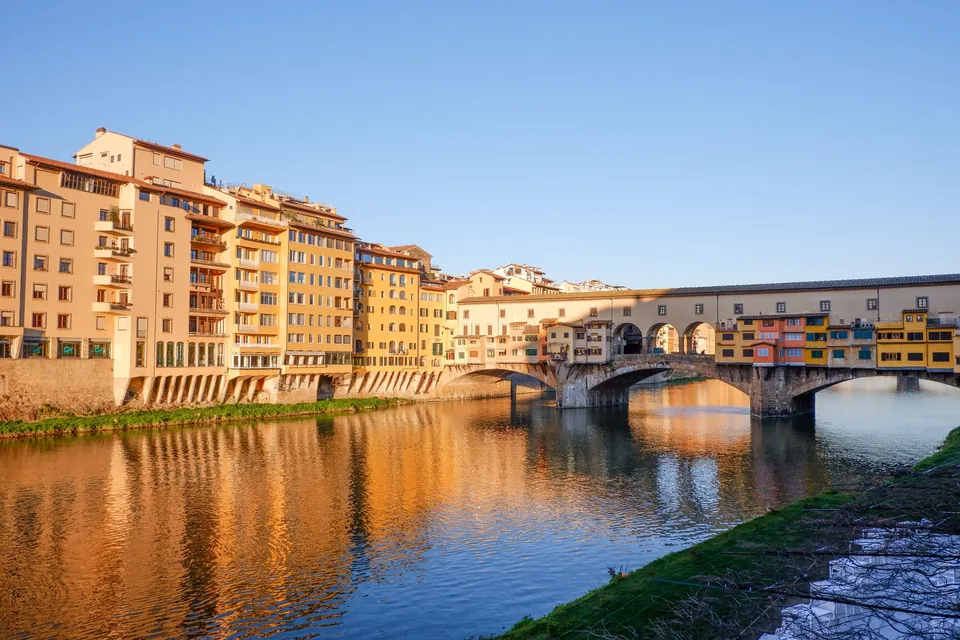
Late morning, take a Frecciarossa or Italo train from Roma Termini to Firenze Santa Maria Novella. The fastest direct trains take about 1 hour 35 minutes, and there are dozens a day. Florence's old centre is walkable from the station, so drop your bags and wander to the Duomo and Piazza della Signoria. Near sunset, stand on Ponte Santa Trinita and watch the light turn Ponte Vecchio gold.
Day 5: Michelangelo's David, the Uffizi and the river
Florence's three big visits are the Accademia (home of David), the Uffizi and the climb up Brunelleschi's dome. All three in one day is too much for most people, so we pick two today and keep the third for Day 7.
We'd go to the Accademia at its 8:15am opening, when the hall around David is at its calmest, and the Uffizi after lunch. Both close on Mondays, so if today is a Monday, swap it with Day 6. If you'd rather climb the dome, buy the Brunelleschi Pass and book its fixed time slot. There are 463 steps and no lift, and the climb closes for maintenance from 16 to 20 November 2026.
In the evening, cross into the Oltrarno, the quieter south bank, for dinner among its workshops and small trattorias.
Day 6: A day trip to Bologna, mostly for lunch
Bologna is only about 35 to 40 minutes from Florence on Frecciarossa or Italo trains, and it shows you a different Italy: a working university city of red brick, long covered walkways and serious cooking. We chose it over Siena or Pisa because it's the shortest hop and the least like Florence. Our 10-day itinerary covers the Tuscan towns if you'd prefer those.
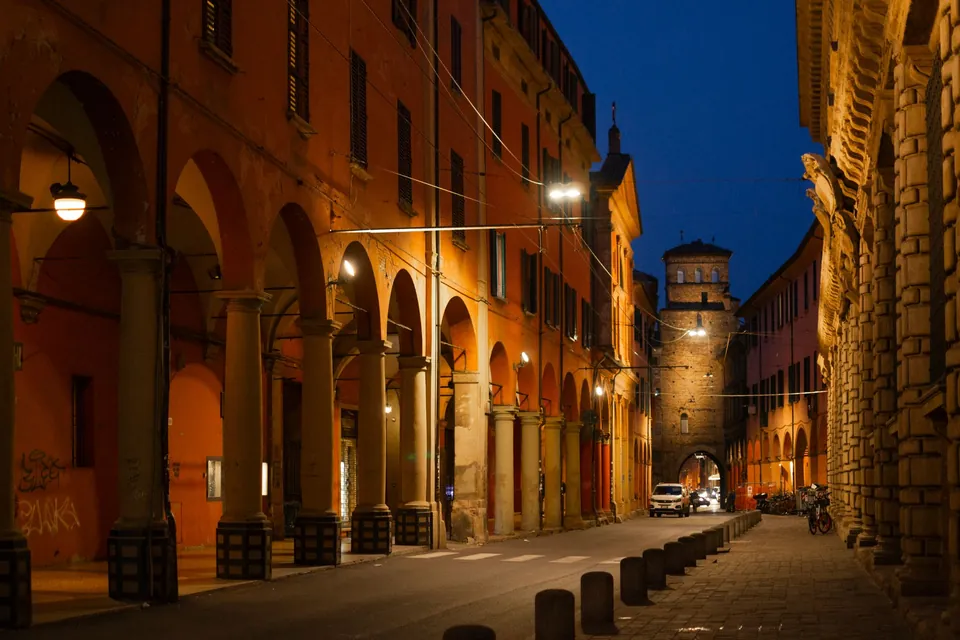
Start in Piazza Maggiore with the Basilica of San Petronio, then visit the Archiginnasio, the old university building, to see its wooden anatomy theatre. Book a slot online, and note that it's closed on Sundays. For lunch, go for tagliatelle al ragù or tortellini, then wander the market lanes of the Quadrilatero for mortadella and cheese to take back.
In the afternoon, walk under the porticoes, which are on UNESCO's World Heritage list. The famous Asinelli tower is closed to climbers until further notice while its leaning neighbour is made safe, so for a view, book the Clock Tower in the town hall on Piazza Maggiore instead. Head back to Florence for dinner.
If Bologna doesn't appeal, these are good swaps:
- A slow Florence day: the Boboli Gardens behind the Pitti Palace, then the Bargello's sculpture
- Fiesole: a short bus ride up into the hills for a view back over the city
Day 7: A slow Florence morning and fly home
Use the morning for whichever of the big three you skipped on Day 5, or simply browse the Mercato Centrale and the streets around San Lorenzo. Leave plenty of time for your journey out.
The T2 tram runs from the centre to Florence's airport in about 20 minutes, and you can tap a contactless card on board. If your flight leaves from Rome, allow about 2 hours 30 minutes by train to Fiumicino, usually with a change at Roma Termini. A few direct trains run each day.
Getting around on a 7-day Italy itinerary (approximate)
- Fiumicino → Roma Termini, Leonardo Express: ~32 min, ~€14
- Rome → Florence, Frecciarossa or Italo: ~1 h 35 min on the fastest direct trains, fares vary with demand
- Florence ↔ Bologna, Frecciarossa or Italo: ~35 to 40 min each way, fares vary with demand
- Rome buses, trams and metro: tap a contactless card, about €1.50 per 100-minute ride
- Florence → airport, T2 tram: ~20 min, ~€2 (valid 90 minutes)
- Florence → Rome Fiumicino, train: ~2 h 20 min to 2 h 35 min, usually with one change in Rome
Do you need a rail pass for 7 days in Italy?
No. This route has only three fast-train journeys (Rome to Florence and a return trip to Bologna), plus the airport train. Fast-train fares on Trenitalia and Italo rise as trains fill, so booking each ride once your dates are firm usually costs well under the price of a pass.
Rough budget per person (approximate, excluding flights)
- Accommodation: about €70–160 per night when sharing a double room, more in spring and early autumn. Rome and Florence each add a small tourist tax per person per night.
- Food: about €40–80 a day. Bologna's lunch is often the best value of the week.
- Transport for the whole route: about €80–180, depending on how early you book trains
- Sights and activities: about €25–50 a day
These are our planning estimates, not quotes. Prices move with the season, exchange rates and how many of you share a room.
What to book early
- Colosseum: as soon as tickets open, about 30 days before your date
- Vatican Museums: the earliest morning slot, a few weeks ahead in busy months
- Accademia, Uffizi and the dome climb: a few weeks ahead from spring to autumn
- Fast trains: once your dates are firm, for the lower fares
- Florence hotels: early for Easter, May, June and September
- Bologna: the Archiginnasio and Clock Tower a few days ahead
Notes for families, solo travellers and couples
- With kids: the Vatican Museums are free for children under 7, and the Pantheon is free for under 18s. The Clock Tower in Bologna isn't open to children under 8, but the porticoes keep everyone shaded on hot days and dry on wet ones.
- Solo: Rome to Florence is an easy train trip alone, and Bologna's student crowd makes eating at a bar counter feel normal. On Rome's most crowded metro lines and buses, a cross-body bag worn in front is worth the slight awkwardness.
- Couples: the sunset walks on Day 4 and the Oltrarno dinner on Day 5 are the slow evenings we'd protect.
Planning this trip as a group
- Book one apartment per city. With only two bases, a place with a kitchen and a table for everyone is easy to find if you book early.
- Let Day 6 split the group. Food lovers go to Bologna, and anyone who wants more art stays in Florence.
- Have one person book the timed tickets with everyone's names, so you enter together.
- Keep the plan in one place. With Tripmo's group trip planner, each person's ChatGPT, Claude or Grok adds to one shared plan on a map, so bookings and ideas don't get lost in the group chat.
More itineraries
- 10 days in Italy: Rome, Florence, a Tuscany day trip and Venice
- 7 days in Japan: Tokyo, Kyoto and Osaka in one week
Questions
Is 7 days enough for Italy?
It's enough for a relaxed first look at two cities. We'd spend it on Rome and Florence with one easy day trip, rather than adding a third base and losing a day to packing and trains.
Can an Italy itinerary for 7 days include Venice too?
It can, with two nights each in Rome, Florence and Venice, but every city then gets only about one full day. If Venice matters to you, our 10-day Italy itinerary gives it room.
Is Bologna worth a day trip from Florence?
Yes, especially if you love food. The fastest trains take about 35 minutes, the centre is walkable from the station, and it feels quite different from Florence.
Should I fly home from Florence or Rome?
Fly home from Florence if you can find a good connection, since the tram reaches its airport in about 20 minutes. Otherwise, allow about two and a half hours by train back to Rome Fiumicino, usually with a change in Rome.
Do I need to book the Uffizi and the Accademia in advance?
We'd book both, especially from spring to autumn. Each uses timed entry, both close on Mondays, and Michelangelo's David at the Accademia draws long queues without a booking.