10 days in Italy: a calm first-timer itinerary for Rome, Florence and Venice
Ten days in Italy is a wonderful first trip. It's long enough to walk through ancient Rome, see the Renaissance up close in Florence and drift around Venice by boat, while still leaving room for long lunches, which are half the point of being here.
This Italy itinerary for 10 days follows one idea: start big and end slow. You land in Rome, the busiest and most demanding city, while your energy is fresh, then move north by fast train to Florence and finish in car-free Venice. Below you'll find each day, why it sits where it does, and the practical details (train times, timed tickets, what to book first) that keep the trip relaxed.
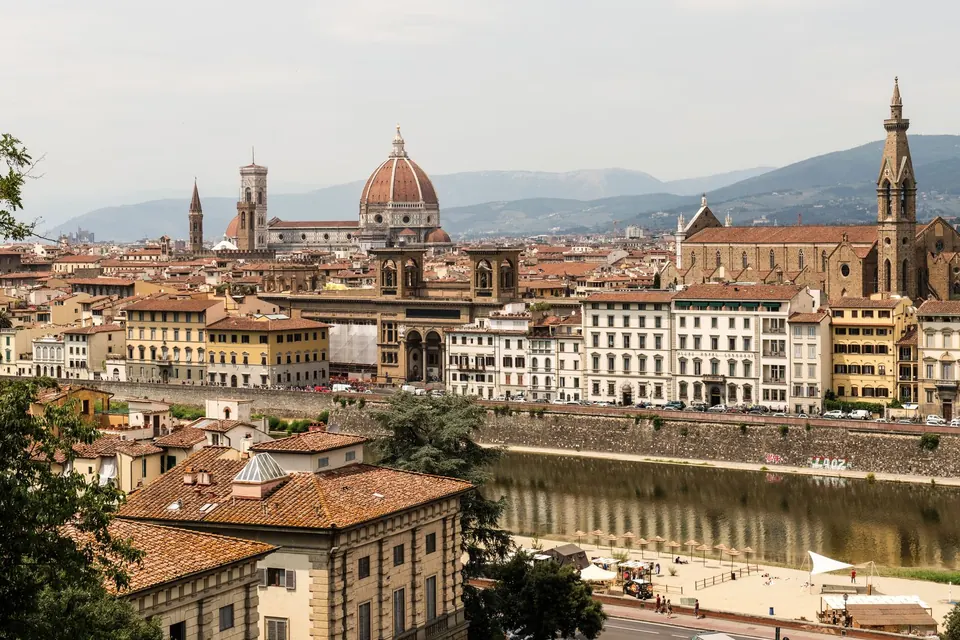
The route at a glance
- Route: Rome (4 nights) → Florence (3 nights, with a Tuscany day trip) → Venice (2 nights)
- Flights: into Rome Fiumicino (FCO), out of Venice Marco Polo (VCE). Search for a "multi-city" or open-jaw ticket.
- Pace: one big sight in the morning, a slower afternoon, and a proper dinner every night
- Good for: first-timers, couples, friend groups, families with school-age children, and solo travellers
Why this order? Rome needs the most energy, with early starts and timed entries, so it goes first while you're fresh. Florence sits neatly in the middle: about 1 hour 35 minutes from Rome and about 2 hours 15 minutes from Venice on the fastest direct trains, so neither move eats your day. Venice comes last because it slows everyone down in the nicest way, and its airport is only about 20 minutes away by bus.
Day 1: Arrive in Rome and take an easy evening walk
After a long flight, keep the first day gentle. The Leonardo Express runs non-stop from Fiumicino to Roma Termini in about 32 minutes (about €14), and from there most central hotels are a short taxi, metro or bus ride away.
In the evening, take a slow loop through the old centre: Piazza Navona, the outside of the Pantheon, and on to the Trevi Fountain. Since February 2026, entering the area right beside the fountain's basin costs €2 between 9am and 10pm, while the square above stays free. If you come after 10pm, you can see it without the fee and with far fewer people.
Day 2: Ancient Rome, from the Colosseum to the Forum
We put ancient Rome on your first full day because it's the part most people have dreamed about, and it's best done with fresh legs. One ticket usually covers the Colosseum, the Roman Forum and the Palatine Hill, and walking all three takes most of a morning.
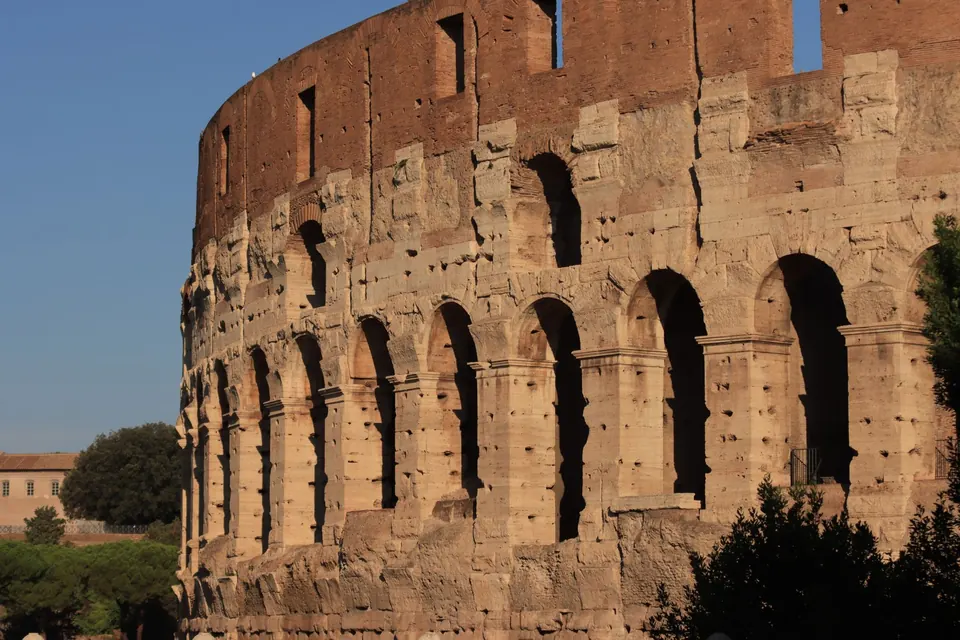
Book on the official Colosseum site. Tickets are timed and carry each visitor's name, so bring ID that matches. Standard tickets go on sale about 30 days before each date and the best morning slots go quickly.
In the afternoon, rest in the shade, then wander up to the Monti neighbourhood for an early dinner among its small wine bars and trattorias.
Day 3: The Vatican Museums and St Peter's
The Vatican Museums are enormous, so we go first thing, when you have the most patience for crowded rooms. Book a timed entry on the official site. They open Monday to Saturday and close on Sundays, except the last Sunday of the month, when entry is free but the queues are very long. We'd avoid that day.
Allow about three hours to reach the Sistine Chapel at an unhurried pace. Afterwards, walk round to St Peter's Basilica, then spend the evening across the river in Trastevere, where the lanes are lovely after dark.
Day 4: A free day in Rome
By day four, people usually want different things, and a planned free day lets everyone have theirs. It also gives you a buffer if a timed ticket earlier in the week didn't work out.
Some good options:
- The Pantheon inside: a short timed visit, booked online
- Borghese Gallery and gardens: sculpture and painting in a calm park, with entry by advance booking
- The Appian Way: hire a bike and ride the old Roman road past tombs and pine trees
- Testaccio: a food market and some of Rome's most traditional cooking
Day 5: Rome to Florence, then the Duomo at golden hour
Take a mid-morning Frecciarossa or Italo train from Roma Termini to Firenze Santa Maria Novella. The fastest direct trains take about 1 hour 35 minutes and there are dozens each day, so missing one is not a crisis.
Florence is compact, and almost everything is walkable from the station. Spend the afternoon around the Duomo and the Baptistery, then walk up to Piazzale Michelangelo for sunset over the rooftops. We save the climb up the dome for tomorrow, since it needs a booked slot and good energy.
Day 6: Florence's art, and the dome
Start at the Uffizi at opening time, when the rooms are quieter. Both the Uffizi and the Accademia, home of Michelangelo's David, are closed on Mondays, so swap this day with Day 7 if needed.
After lunch, cross the Ponte Vecchio into the Oltrarno, the quieter riverside district of workshops and small restaurants. If you'd like to climb Brunelleschi's dome, buy the Brunelleschi Pass and book your time slot in advance. The slot is fixed, and there are 463 steps with no lift.
Day 7: A day trip into Tuscany
A day out of the city gives you the hills and small towns that make Tuscany special. Choose the one that suits you:
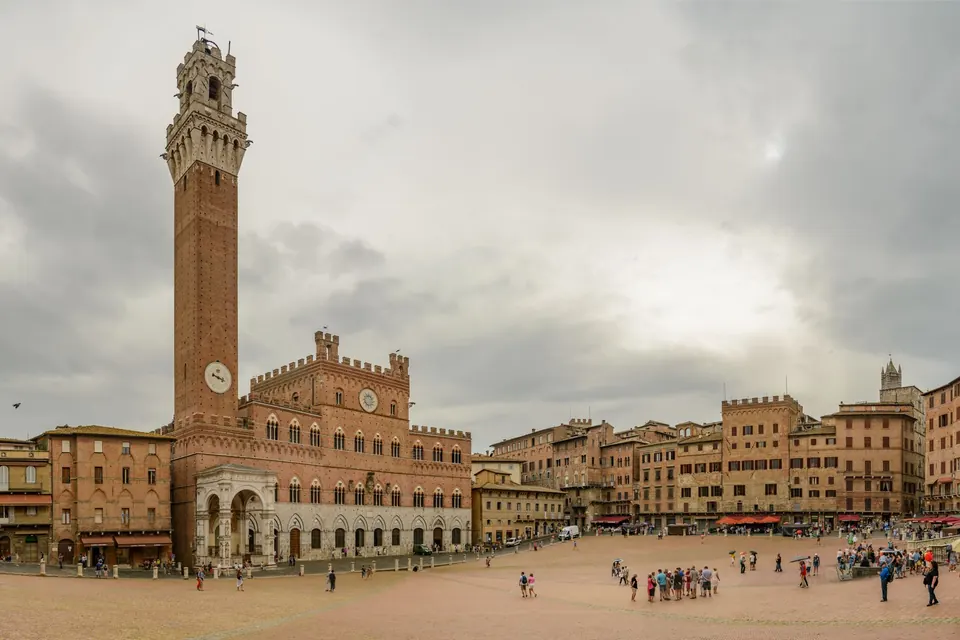
- Siena: the rapid 131R bus takes about 1 hour 15 minutes and stops closer to the old centre than the train, which takes about 1 hour 30 minutes and arrives below the hill
- Lucca: about 1 hour 20 minutes by direct regional train, with a flat walk or bike ride around the city walls
- Pisa and Lucca together: possible on the same line, if you'd like to see the Leaning Tower briefly
Day 8: Florence to Venice, and your first evening on the water
The fastest direct trains from Florence reach Venezia Santa Lucia in about 2 hours 15 minutes. You step out of the station straight onto the Grand Canal, which is one of the loveliest arrivals in Europe.
Take your bags to your hotel by water bus or on foot, then ride vaporetto line 1 down the Grand Canal in the early evening. It's a slow boat, which is exactly why we like it here.
Day 9: St Mark's early, then the lagoon islands
Visit St Mark's Square and the basilica early, before day visitors arrive, then the Doge's Palace if you'd like to see inside. By late morning, take the water bus out to Murano for glassmaking and on to colourful Burano.
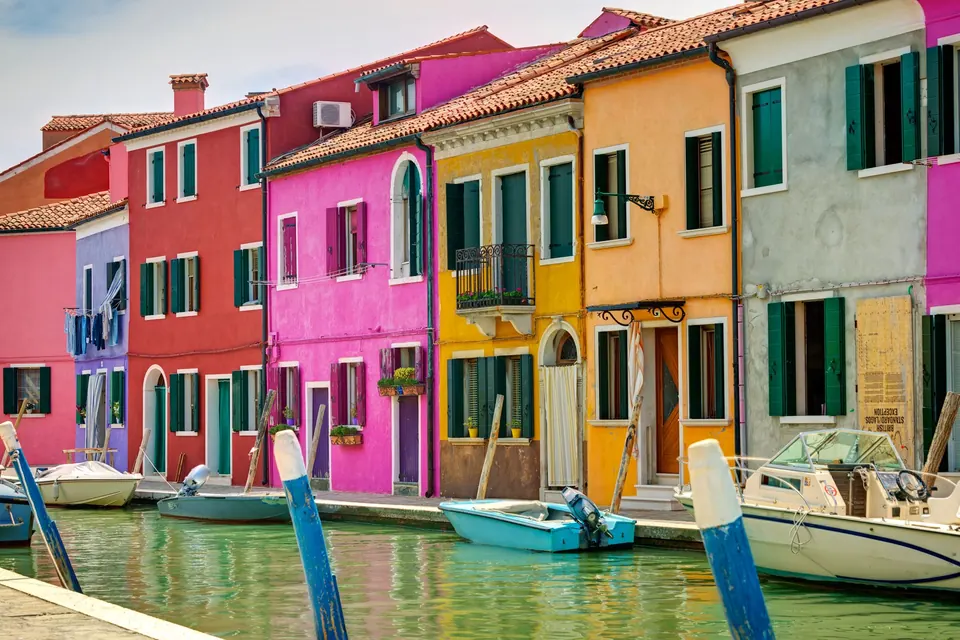
A single vaporetto ticket costs about €9.50 and lasts 75 minutes, while a 24-hour travel card is about €25. With a full day of boat hopping, the travel card usually pays for itself.
In the evening, find a bacaro, one of Venice's small wine bars serving cicchetti (little snacks), and wander back through the quieter Cannaregio or Castello districts.
Day 10: A slow Venetian morning and fly home
Depending on your flight time, have a last coffee by a canal or visit a church you passed earlier. The ATVO express coach from Piazzale Roma to Marco Polo Airport takes about 20 minutes, and the ACTV Aerobus line 5 about 25 minutes (about €10).
Getting around: train times and fares (approximate)
- Fiumicino → Roma Termini, Leonardo Express: ~32 min, ~€14
- Rome → Florence, Frecciarossa or Italo: ~1 h 35 min on the fastest direct trains, fares vary with demand
- Florence → Siena, 131R bus / regional train: ~1 h 15 min / ~1 h 30 min
- Florence → Lucca, regional train: ~1 h 20 min
- Florence → Venezia Santa Lucia, Frecciarossa or Italo: ~2 h 15 min on the fastest direct trains, fares vary with demand
- Venice vaporetto: ~€9.50 single (75 minutes) / ~€25 for 24 hours
- Piazzale Roma → Marco Polo Airport, ATVO / Aerobus line 5: ~20 min / ~25 min, Aerobus ~€10
Do you need a rail pass for 10 days in Italy?
For this route, usually not. You take only two long train rides, and high-speed fares on Trenitalia and Italo rise as the train fills, so booking each ride a few weeks ahead tends to cost less than a pass. Regional trains for day trips have fixed, modest fares and can be bought on the day.
Rough budget per person (approximate, excluding flights)
- Accommodation: about €60–150 per night when sharing a double room or apartment, more in Venice and in summer. Each city adds a small tourist tax per person per night, paid at your hotel.
- Food: about €40–80 a day. Many restaurants add a small cover charge (coperto) per person.
- Transport for the whole route: about €130–220, depending on how early you book the trains
- Sights and activities: about €20–50 a day
These are our planning estimates, not quotes. Prices change with seasons, exchange rates and how many of you share a room.
What to book early
- Colosseum and Vatican Museums: as soon as tickets open for your dates. Colosseum tickets go on sale about 30 days ahead.
- Florence's dome climb and the Uffizi: a few weeks ahead in spring and summer.
- Venice hotels: early for spring, summer and Carnival in February. Staying overnight also lets you enjoy the city once the day visitors leave.
- High-speed trains: once your dates are firm, for the best fares.
- Groups: apartments for 4 or more in central Rome and Florence go first.
Travelling with kids, as a group or solo
- With kids: the Vatican Museums are free for children under 7, and the Trevi Fountain basin is free for under 6s. Venice's bridges make strollers hard work, so a baby carrier helps. Older children often love the Colosseum and the Venice water buses most.
- As a group: the Leonardo Express sells a four-person ticket for about €40 instead of four singles at about €14. Book Colosseum tickets with everyone's names, and reserve dinner for anything over four people.
- Solo: Florence is especially easy alone, since it's small and walkable, and a counter lunch at a market or an aperitivo at a bar is a relaxed way to eat on your own. Keep your bag zipped and in front of you on busy Rome buses and metros.
Planning this trip as a group
- Choose one base per city. Changing hotels within a city costs time you don't have.
- Use Day 4 as the split day, so everyone gets their own Rome without arguing over the shared days.
- Have one person book the trains and timed tickets so the group sits together and enters together.
- Keep the plan in one place. With Tripmo's group trip planner, each person's ChatGPT, Claude or Grok can add to one shared plan on a map, so nothing gets lost in the group chat.
More itineraries
- 10 days in Japan: Tokyo, Hakone, Kyoto and Osaka in one direction
- Solo trip to Japan: how to plan, stay and eat well on your own
Questions
Is 10 days enough for Italy?
Yes, for a first trip to Rome, Florence and Venice with one day trip into Tuscany. If you'd also like the Amalfi Coast or the Cinque Terre, we'd suggest two weeks rather than squeezing them in.
What is the best Italy itinerary for 10 days?
For a first visit, Rome for 4 nights, Florence for 3 and Venice for 2, flying into Rome and home from Venice so you never travel back on yourself.
Do I need a car for 10 days in Italy?
No. Fast trains link all three cities, and a car is a burden in Rome, Florence and Venice. Hire one only if you add a few slow days in the Tuscan countryside.
Should I fly into Rome or Venice?
Either works, as long as you fly into one and out of the other. We start in Rome because more long-haul flights land there, and finish in Venice because it's the gentlest place to end.
Do I need to book the Colosseum and Vatican in advance?
Yes. Both use timed tickets, Colosseum tickets carry each visitor's name, and popular slots sell out weeks ahead in spring and summer.