A solo trip to Japan: how to plan it, where to stay and how to enjoy it alone
A solo trip to Japan is one of the easiest ways to travel alone for the first time. The trains run on time, signs are in English as well as Japanese, and a table for one is so normal that many restaurants are designed around it. You get to choose every temple, every bowl of ramen and every early night yourself.
This guide is about the parts that change when you're on your own: where to stay, how to eat, how to pace the days, staying safe and, if you'd like company, how to meet people. For the day-by-day route, we point you to our 7, 10 and 14-day Japan itineraries, which all work well for solo travel in Japan with a few small changes we explain below.
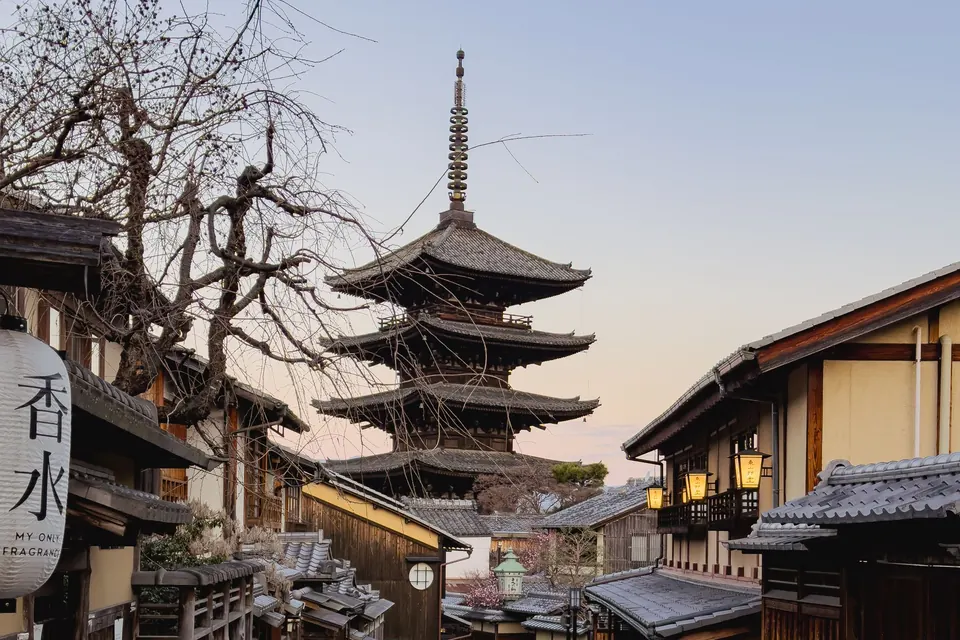
Why Japan suits travelling alone
Much of what makes travelling alone tiring elsewhere is easier here. Trains are frequent and clearly signed, so missing one is a small inconvenience rather than a problem. Hotels sell rooms for one person, so you're not paying for a double you don't need. And dining alone carries no awkwardness at all; there's even a word, ohitorisama, for doing things happily on your own.
Japan is also reassuring on safety. The US State Department places it at Level 1, "exercise normal precautions", its lowest advisory level. That doesn't mean nothing can go wrong, but it does mean the everyday worries of solo travel, like walking back to your hotel after dinner, are usually smaller here.
Choosing your route and how long to go
The routes that work for couples and groups work alone too. What changes is the pace. With nobody to share planning with, every hotel change, ticket and meal decision is yours, so we suggest fewer bases and a little more slack.
- One week: Tokyo and Kyoto, with Osaka as a last night. See our 7 days in Japan.
- Ten days: Tokyo, Hakone, Kyoto and Osaka, flying in and out of different airports. See our 10 days in Japan.
- Two weeks: add Kanazawa, Hiroshima and Miyajima. See our 14 days in Japan.
- Short on time: a city break alone is lovely too. See 5 days in Tokyo or 3 days in Kyoto.
Why slow it down alone? Decision fatigue builds faster when you're the only one deciding. We'd plan a lighter half-day every three or four days, where the only task is a café, a bath and an early night. It's what keeps the second week as enjoyable as the first.
Where to stay when you travel alone
Japan has more good options for one person than almost anywhere, and you can mix them through the trip.
- Business hotels: compact, spotless rooms with a bed, desk and small bathroom, often near major stations. They're the easiest default for a solo traveller and usually take luggage before check-in.
- Capsule hotels: a sleeping pod with a curtain or screen, shared bathrooms and lockers. Many have separate floors or areas for men and women. They're fun for a night or two, but space for a large suitcase is limited.
- Hostels: dorm beds or private rooms, plus a common room and kitchen. If you'd like to meet other travellers, this is the simplest place to start.
- Ryokan (traditional inns): a ryokan night is worth doing alone, but check the booking carefully. Some inns price by the room or don't take single guests, so search with "1 guest" set from the start.
For bases, stay within a short walk of a main station: Shinjuku, Ueno or Tokyo Station in Tokyo, around Kyoto Station or Shijo-Kawaramachi in Kyoto, and Namba or Umeda in Osaka. Being near the trains matters more alone, because you're the one carrying the bags.
Eating alone: the easiest part of the trip
Solo dining is one of Japan's quiet pleasures. A lot of everyday food is served at counters, and staff won't think twice about a party of one.
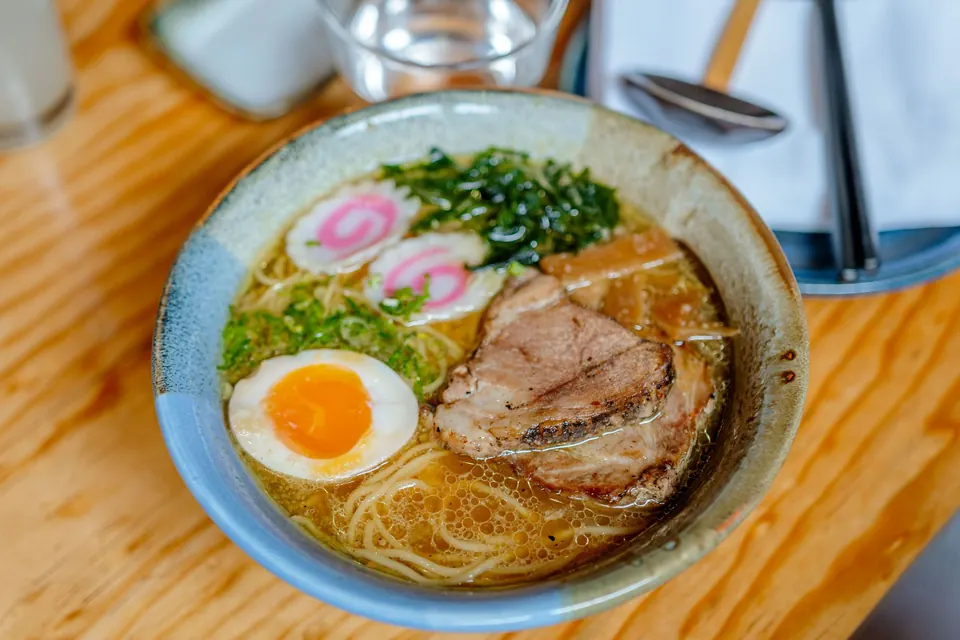
- Ramen and udon shops: often you buy a ticket from a machine by the door, hand it over and sit at the counter. Some ramen chains even have individual booths.
- Conveyor-belt and counter sushi: order from a tablet or directly from the chef, at your own pace.
- Set-meal restaurants (teishoku): rice, soup, a main and pickles on one tray, usually good value at lunch.
- Department store food halls (depachika): beautiful bento and sweets to take back to your room or a park bench.
- Convenience stores: rice balls, sandwiches and hot drinks at any hour, which is a real comfort after a late train.
Evenings are where some solo travellers feel shy. A small izakaya (a Japanese pub) with counter seats is a good answer: you can watch the cooking, point at what others are eating, and often end up chatting with the person next to you.
Staying safe on your own
Most of Japan's safety advice is common sense, but a few points are specific and worth knowing before you go.
- Nightlife districts: the State Department advises extra care in Tokyo's nightlife areas, especially Roppongi, Kabukicho, Shibuya and Ikebukuro, where visitors have reported spiked drinks and huge bar bills. Don't follow street touts into bars, and keep an eye on your drink.
- Carry your passport: visitors are required to carry their passport at all times in Japan, so keep it in a zipped inner pocket rather than at the hotel.
- Emergency numbers: dial 110 for police and 119 for fire or an ambulance. The Japan Visitor Hotline (050-3816-2787) runs 24 hours a day in English and can help with illness, accidents or disasters.
- Police boxes (koban): small police posts near many stations. They're the place to ask for directions or report a lost item.
- Women-only cars: several Tokyo Metro lines run women-only carriages on weekday mornings during the rush hour, marked on the platform and the train.
- Earthquakes and weather: install the Safety Tips app from the Japan Tourism Agency, which sends earthquake, tsunami and weather alerts in English.
Meeting people, if you'd like to
Some solo travellers want quiet; others want company for part of the day. Both are easy to arrange.
- Hostel common rooms: the most natural way to find someone for dinner or a day trip.
- Small-group tours: a food tour in Osaka, a walking tour of old Tokyo, or a cooking class are friendly ways to meet people with a shared plan.
- Counter seats and bars: as above, the person beside you at an izakaya is often curious where you're from.
- Shared day trips: places like Hakone, Nara or Nikko are popular with other solo travellers, which makes company easy to find if you're staying in hostels.
Getting around alone
The trains are easy, but a few details make a solo trip smoother.
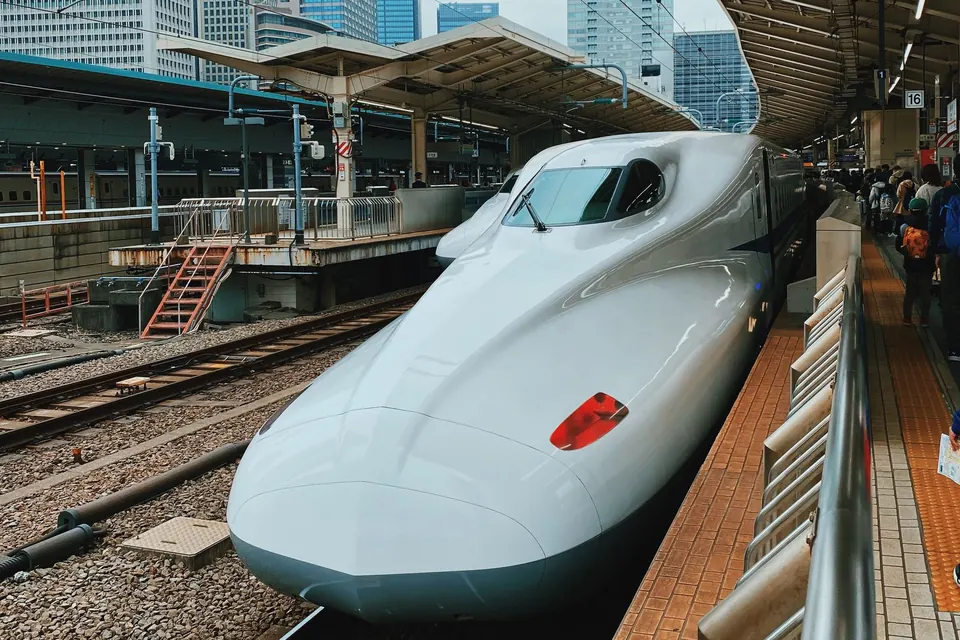
- A transit card on your phone: on an iPhone you can add Suica in Apple Wallet, or use JR East's Welcome Suica Mobile app for visitors. Physical Suica and PASMO cards are on sale at stations again too.
- Big suitcases on the shinkansen: on the Tokaido Shinkansen (Tokyo, Kyoto, Osaka), bags whose length, width and height add up to 161–250 cm need a seat with an oversized baggage area, reserved in advance at no extra charge.
- Send your bag ahead: hotel front desks can forward luggage to your next hotel with a delivery service, usually arriving the next day. Travelling between cities with only a day bag is a real relief when there's no one to watch your things while you buy a coffee.
- Data: an eSIM or pocket Wi-Fi keeps maps and translation working everywhere, which matters more when you can't ask a travel partner.
A rough solo budget (approximate, excluding flights)
- Business hotel, single room: about ¥9,000–18,000 a night, more in Kyoto during peak seasons
- Capsule hotel or hostel dorm: about ¥3,000–8,000 a night
- Food: about ¥3,500–8,000 a day, less if you lean on set lunches and convenience stores
- Transport and sights: follow the estimates on the 7, 10 or 14-day pages, which are already per person
These are our planning estimates, not quotes. The main solo cost is the room, because you're not splitting it, so mixing business hotels with a few capsule or hostel nights makes the biggest difference.
What to book early
- Kyoto stays: 3–6 months ahead in cherry blossom season (late March to early April) and autumn leaves (mid-November to early December). Single rooms near the station go first.
- A ryokan for one: as soon as your dates are set, since fewer inns accept single guests.
- Shinkansen seats with oversized baggage space: once your dates are firm, if you're travelling with a large suitcase.
- Small-group tours and cooking classes: a week or two ahead, as popular ones fill.
Meeting friends partway through
Plenty of solo trips turn into group trips for a few days, when a friend flies in for Kyoto or you meet people you'd like to keep travelling with. When that happens, Tripmo's group trip planner lets each person's ChatGPT, Claude or Grok add to one shared plan on a map, so you can merge your solo route with theirs without rewriting everything in the group chat.
More Japan itineraries
- 10 days in Japan: our classic first-timer route, which works beautifully solo
- 7 days in Japan: Tokyo, Kyoto and Osaka in one week
- 14 days in Japan: add Kanazawa, Hiroshima and Miyajima
- 5 days in Tokyo: one base, neighbourhood days and a day trip
- 3 days in Kyoto: temples, Arashiyama and an early Fushimi Inari
Questions
Is Japan good for solo travel?
Very. Trains are punctual and signposted in English, single hotel rooms are common, and eating alone at a counter is completely normal.
Is Japan safe for solo female travellers?
Japan is generally very safe, and the US State Department rates it at its lowest advisory level. Take extra care in nightlife districts such as Roppongi and Kabukicho, and never follow street touts into bars.
How many days should a solo trip to Japan be?
Ten days is a comfortable first trip covering Tokyo, Kyoto and Osaka. With a week, stick to two cities. With two weeks, add Kanazawa or Hiroshima.
Is solo travel in Japan expensive?
Less than many people expect. Business hotels have true single rooms, capsule hotels and hostels are cheaper still, and set lunches and convenience stores keep food costs modest.
Can you eat alone in Japan?
Yes, easily. Ramen shops, sushi counters and set-meal restaurants are built for solo diners, and many have counter seats or booths for one.